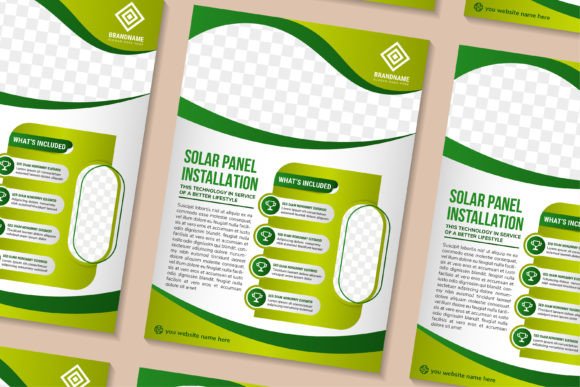
Designing Impactful Solar Panel Vertical Flyers for Modern Renewable Energy Campaigns
Visual communication has become the backbone of how renewable energy companies connect with homeowners and businesses. A Solar Panel Vertical Flyer is more than a printed sheet or a digital file—it is a carefully composed marketing asset that distills complex information about solar technology into an accessible, persuasive format. These templates combine infographic elements, photo placeholders, and structured layouts to create materials that feel both professional and approachable. For solar installers, energy consultants, and green businesses, having a ready-made design that balances aesthetics with clear messaging saves hours of creative work while producing materials that resonate with modern audiences.
What makes a vertical flyer particularly effective in the solar industry is how people physically interact with it. A tall, narrow format fits naturally in the hand at trade shows, slides easily into brochure racks, and scrolls smoothly on mobile screens when shared digitally. The orientation mirrors the way we hold our phones, making the transition from print to screen seamless. When a potential customer encounters a well-designed solar flyer, the vertical flow guides their eye from a compelling headline through supporting facts and toward a call to action, all within a single uninterrupted sweep.
The Growing Need for Professional Solar Marketing Materials
Over the past decade, residential and commercial solar adoption has moved from niche enthusiasm to mainstream consideration. Homeowners now routinely evaluate energy independence, rising utility costs, and environmental impact as interconnected factors. This shift has created a competitive landscape where solar businesses cannot rely solely on word-of-mouth or generic advertising. They need materials that communicate credibility, technical competence, and genuine environmental commitment simultaneously.
A solar panel installation flyer template addresses this need by providing a framework that already incorporates best practices in layout, typography, and visual hierarchy. Instead of starting from a blank canvas, a business can select a template designed specifically for renewable energy promotion, then customize the text, colors, and imagery to match their brand identity. The result is a polished piece that looks like it was created by a dedicated design team, even if the person editing it has minimal graphic design experience. This democratization of design quality matters because small and mid-sized solar companies often compete against larger corporations with substantial marketing budgets.
Why Editable Templates Are Changing How Solar Businesses Operate
The practical advantage of an editable flyer template lies in its flexibility. A single base design can be adapted for multiple purposes—a Saturday home show, a digital newsletter, a lobby display, or a door-to-door campaign. When the template includes well-organized layers, editable shapes, and customizable color palettes, making these adjustments takes minutes rather than hours. The files included with premium templates—typically AI, EPS, JPG, and SVG formats—ensure compatibility with both professional design software and simpler editing tools that team members might already know how to use.
Consider a regional solar installer preparing for a community event. They need a flyer that highlights local incentives, showcases recent installations in the neighborhood, and provides clear contact information. With a vertical template, they can swap in photos of completed projects, adjust the infographic numbers to reflect regional savings data, and change accent colors to match their company branding. The underlying structure—spacing, alignment, font pairings—remains professionally sound because those decisions were already made by an experienced designer. The business focuses on content accuracy and local relevance rather than wrestling with design principles.
How Green Energy Brochure Design Has Evolved
Early solar marketing materials often relied on clichéd imagery: isolated panels against bright blue skies, generic lightbulb icons, and overused leaf motifs. While these elements still appear, the approach has matured significantly. Contemporary green renewable energy brochure design reflects a deeper understanding of what motivates potential customers. Today's effective flyers balance emotional appeal with hard data. They might pair a warm photograph of a family in their solar-powered home with a clean infographic showing the financial return over ten years. The combination acknowledges that purchasing decisions involve both feeling and calculation.
Typography choices have also become more intentional. Where older designs might have used heavy, attention-grabbing fonts to shout their message, newer templates favor clean, readable typefaces that convey clarity and trust. Headlines are spacious. Body text is set at comfortable sizes. Color schemes draw from natural palettes—earthy greens, sky blues, warm ambers—without feeling like a cliché environmental poster. The best templates create a visual language that says modern, smart, and reliable rather than simply green.
Infographics as a Persuasive Tool in Solar Promotion
One of the most valuable features built into quality flyer templates is the infographic component. Solar energy involves numbers that matter deeply to customers: percentage of electricity offset, estimated annual savings, payback period, carbon reduction equivalent, and available tax credits. Raw statistics become memorable when presented visually. A well-designed infographic section can transform a dry fact like "20-year energy savings of $28,000" into a striking visual comparison that a reader processes in seconds.
For solar businesses, this means the template's infographic placeholders should be easy to update with real figures. When a template provides editable charts, icon sets, and data visualization elements as vector graphics, the numbers can change while the visual quality remains consistent. This scalability is essential because solar economics vary by region, utility rates, and system size. A template that works for an installer in California should be equally usable for one in New York, with different incentive structures and sunlight hours reflected in the updated data.
Practical Applications Across Different Solar Business Models
The versatility of a vertical flyer design extends across various segments of the renewable energy industry. Residential installation companies use them for direct mail campaigns targeting homeowners in specific zip codes. Commercial solar developers adapt the same layouts for proposals and leave-behind materials after client meetings. Solar co-ops and community buying groups distribute flyers at public libraries and community centers to build group purchasing momentum. Even manufacturers of solar equipment find value in clean templates for product specification sheets distributed at industry conferences.
Beyond the obvious promotional uses, these templates serve internal purposes that are sometimes overlooked. An installation crew can use a simplified version as a job site information sheet that explains the system to curious neighbors who stop by. Training programs and vocational schools incorporate solar flyer designs into their curriculum materials when teaching about renewable energy careers. Nonprofit organizations advocating for clean energy policies create awareness materials that borrow the same visual language, building public familiarity with solar concepts through consistent, professional presentation.
Choosing the Right Template for Specific Campaign Goals
Not all flyer templates are created equal, and selecting the right one requires thinking about the specific goal of a campaign. A template heavy on infographics works best for educational events where the objective is building understanding. A design with generous photo space suits a portfolio showcase or a testimonial-driven approach. Templates that feature clean, minimal layouts with strong headline hierarchy are ideal for event announcements or limited-time offers. The keyword here is intentionality—the template should support the message, not compete with it.
When evaluating a solar panel business poster layout, pay attention to the balance between fixed design elements and editable regions. A strong template provides clear zones for a headline, subheadings, body copy, data visualization, photography, contact details, and branding. These zones should feel connected through consistent spacing and alignment without becoming rigid. The best designs include breathing room—negative space that lets each element stand out rather than cramming every inch with content.
Technical Quality and File Considerations for Professional Output
The specification of 300dpi resolution matters enormously for printed materials. Anything lower risks producing flyers that look soft or pixelated when held at reading distance. Since solar flyers often circulate at events where they are examined closely by interested prospects, print quality directly affects perceived professionalism. The inclusion of fully vector graphics means that elements like logos, icons, and decorative shapes can be scaled to any size without degradation. This becomes especially important if a business later wants to adapt the flyer design for a larger poster or a smaller handout card.
Multiple file format availability addresses real workflow needs. AI (Adobe Illustrator) files provide full editability for those with professional design software. EPS files offer broad compatibility with various design and print applications. JPG versions serve quick digital sharing needs—email attachments, social media posts, website downloads. SVG files bridge the gap between print and web, allowing crisp rendering at any screen size while maintaining small file sizes. This format diversity ensures the template remains useful across every channel a solar business might use.
Color, Contrast, and Accessibility in Solar Marketing Design
An often underappreciated aspect of flyer design is color accessibility. Solar businesses serve diverse communities, and marketing materials should be legible to people with varying degrees of visual ability. Templates that use sufficient contrast between text and background, avoid relying solely on color to convey information, and maintain readable font sizes demonstrate consideration for the full audience. The gradient effects popular in modern energy posters can look striking, but they should be tested to ensure text overlaid on gradient backgrounds remains crisp and readable.
Color psychology also plays a role in how solar flyers are received. Greens and blues instinctively suggest environmental responsibility and clean technology. However, the most effective designs use these colors as accents rather than dominant washes. A white or light neutral background with strategic green elements feels contemporary and fresh. Dark backgrounds with bright accent colors can create a premium, high-tech impression suitable for commercial solar proposals. The template's editable color features allow businesses to experiment with these approaches without redesigning from scratch.
Integrating Flyers into a Broader Marketing Ecosystem
A solar panel flyer does not exist in isolation. The most successful renewable energy marketers think about how a flyer connects to their website, social media presence, email sequences, and in-person conversations. A flyer distributed at a home show should include a QR code or short URL that leads to a dedicated landing page with more detailed information. The visual design of that landing page should echo the flyer's color scheme and layout, creating a cohesive experience that builds recognition and trust.
For digital distribution, the vertical format adapts well to platforms like Instagram Stories, Pinterest, and email newsletters. The same design principles—clear hierarchy, compelling imagery, digestible data—translate across mediums. A business might create a series of related flyers that address different aspects of solar adoption: one focused on cost savings, another on environmental impact, a third on the installation process. Together, they form a content library that supports customers at every stage of their decision-making journey.
Common Mistakes to Avoid When Using Solar Flyer Templates
Even with an excellent template, certain pitfalls can undermine effectiveness. Overloading the flyer with too much text defeats the purpose of visual communication. A flyer should spark interest and prompt action, not exhaustively explain every technical detail. The infographic section works best when it highlights three to five key data points rather than trying to present an entire spreadsheet. Similarly, using low-resolution photos in a high-resolution template creates a jarring quality gap that readers notice, even if they cannot articulate the reason.
Another frequent error involves inconsistent branding. If a solar company has established brand colors, fonts, and logo usage guidelines, the template should be adjusted to match those standards precisely. Using the template's default colors because they look nice but do not align with the brand creates a disconnected impression. The template is a starting point, and the customization step is where it becomes truly owned by the business using it.
The Future of Solar Marketing Materials
As augmented reality and interactive digital formats gain traction, the humble flyer is evolving rather than disappearing. Some forward-thinking solar businesses now create flyers that, when scanned with a smartphone camera, overlay an animation showing how panels would look on the viewer's roof. While this technology is not yet standard, the design principles remain consistent—clean layouts, strong visual hierarchy, and a clear call to action. Templates built with well-organized vector layers are easier to adapt for interactive applications because individual elements can be isolated and animated.
The enduring value of a renewable energy poster leaflet design template lies in its ability to make sophisticated design accessible. As the solar industry grows and competition increases, the quality of marketing materials will continue to influence consumer perception. Businesses that invest in professional, editable templates position themselves to communicate with clarity and confidence, whether they are speaking to a single homeowner across a kitchen table or to hundreds of attendees at a sustainability expo. The template handles the visual foundation, freeing solar professionals to focus on what they do best—helping people understand and adopt clean energy solutions.